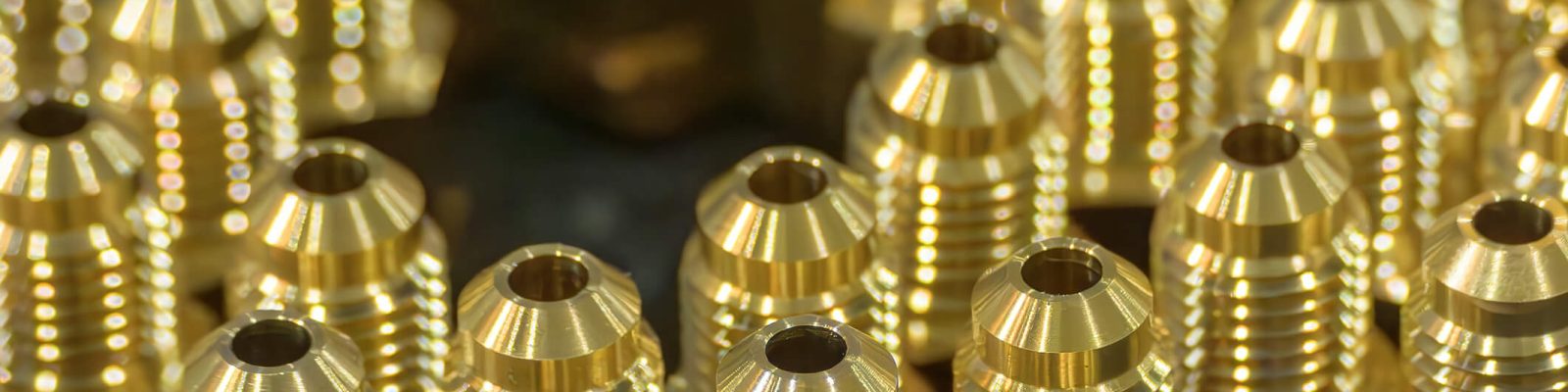
Manufacturers searching for brass machining Illinois often need more than a machining supplier. When a part begins as a brass casting, the relationship between foundry production, machining, inspection, and final dimensions can directly affect quality and manufacturing efficiency.
Located in Peoria, Illinois, Cast Technologies combines brass and bronze casting with an attached 25,000-square-foot machine shop equipped with 23 CNC machines. This vertically integrated setup allows brass castings to move from foundry production into in-house machining without being transferred to an unrelated outside supplier.
Cast Technologies supports manufacturers across Illinois, the Midwest, and the U.S. with prototype-to-production casting, machining, inspection, and complete-to-print manufacturing.
Request a quote to discuss your brass casting and machining requirements.
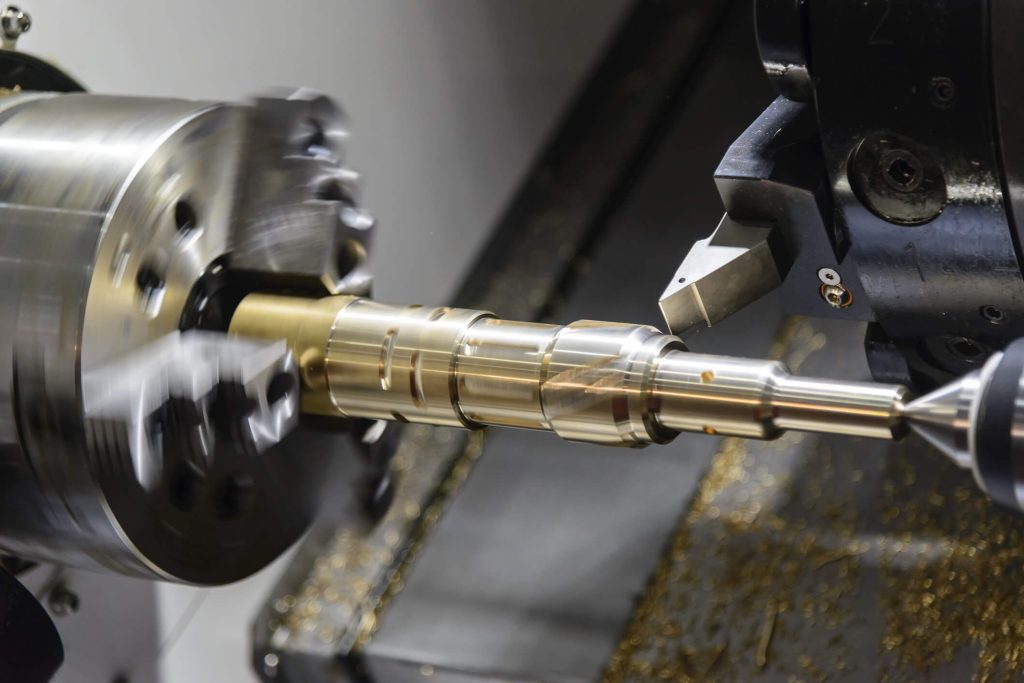
Cast Technologies provides in-house CNC machining for cast components produced through its non-ferrous foundry operations.
Brass and bronze castings can be supplied as cast or processed further through the attached machine shop when the finished component requires additional machining.
The integrated operation supports:
The exact machining requirements depend on the customer’s drawings, component geometry, tolerances, and finished-part specifications.
Cast Technologies does not treat machining as an isolated operation. Foundry, machine shop, and quality personnel can coordinate throughout the production process.
Sending raw castings to an unrelated machine shop can add another supplier, another shipment, and another point of responsibility to the manufacturing process.
Cast Technologies addresses this through vertical integration.
The company’s foundry and machine shop operate together at its Peoria manufacturing facility, allowing a component to remain within the same organization from casting through machining and inspection.
A casting must provide the material and geometry necessary for the required finished dimensions.
When the foundry and machining teams work within the same company, they can communicate directly about production considerations that affect the finished part.
This helps maintain coordination between the raw casting and subsequent machining operations.
Manufacturers sourcing casting and machining separately may need to coordinate:
Using one vertically integrated source can simplify those relationships.
Cast Technologies describes its approach as one-source control.
The company casts the part, performs the machining it is responsible for, and maintains accountability for those manufacturing operations through completion.
Cast Technologies pours more than 30 brass and bronze alloys, including leaded and non-leaded materials.
Most copper-based products are produced within the company’s green sand foundry.
Available molding equipment includes:
These different molding capabilities allow Cast Technologies to evaluate a project based on component requirements rather than relying on one production method for every casting.
The specific alloy, molding process, and machining requirements are determined by customer specifications and the needs of the finished component.
Integrated brass casting and machining is suited to manufacturers that need a cast component followed by controlled secondary operations.
This may be appropriate for:
Cast Technologies serves manufacturers nationwide, including Fortune 500 companies, while maintaining its casting and machining operations at its Peoria facility.
For engineering and purchasing teams, the primary advantage is having one manufacturer responsible for multiple stages of production.
Cast Technologies operates approximately 25,000 square feet of machine shop space attached directly to the foundry.
The shop includes 23 CNC machines and supports the transition from raw casting to completed part.
This allows Cast Technologies to provide components:
The project source does not identify individual CNC machine models or specify every machining operation available. Because of that, machining feasibility should be reviewed against the customer’s drawing and production requirements.
This project-specific review helps ensure that the requested machining work aligns with Cast Technologies’ available equipment and manufacturing capabilities.
A project involving both brass casting and machining generally moves through several coordinated production stages.
Cast Technologies begins by reviewing the customer’s component requirements.
This can include:
Cast Technologies also provides in-house casting design analysis and modeling using Solidworks.
The foundry determines which available molding approach fits the component and production requirements.
For copper-based products, this may involve Hunter, Sinto, or Osborne green sand molding equipment.
The specified copper-based material is poured and processed according to established foundry procedures.
Cast Technologies maintains controls for both leaded and non-leaded materials and keeps equipment used for no-lead production physically separated from equipment used for other alloys.
When machining is required, the casting can move directly into the attached machine shop.
There is no need to send the part to an unrelated machining supplier when the necessary work can be completed internally.
Cast Technologies performs in-process and final dimensional verification using its internal quality equipment.
This provides additional control before the finished component leaves the facility.
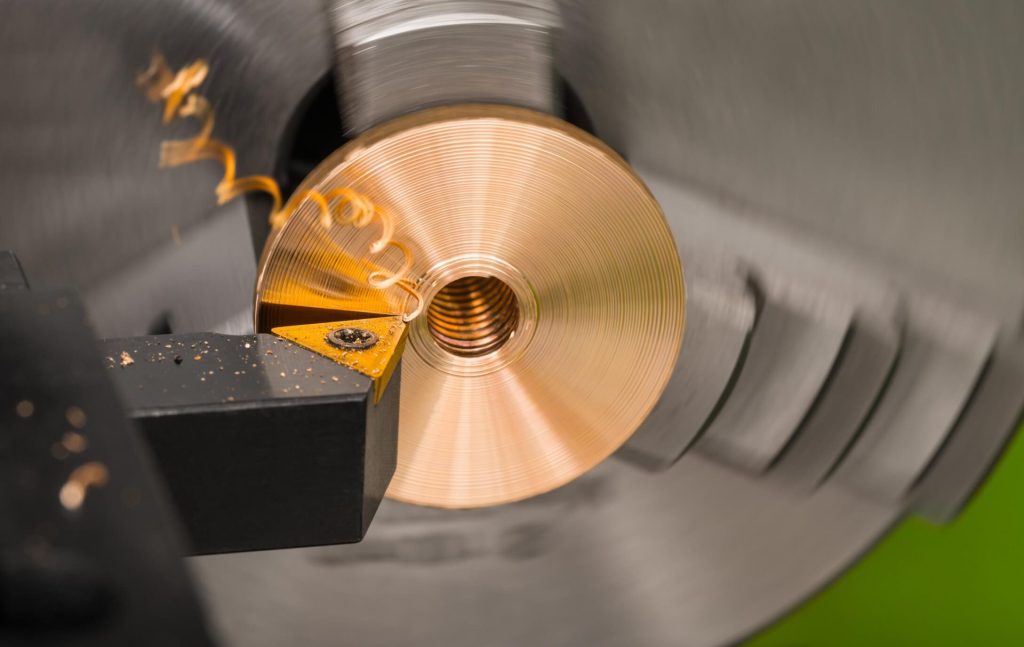
Machining is only one part of producing a component to customer requirements.
Cast Technologies maintains inspection and testing resources that support both foundry and machine shop production.
Available equipment includes:
The specific inspection approach depends on the part and customer requirements.
Because machining and quality personnel operate within the same manufacturing organization, dimensional information can be reviewed throughout production rather than only after the component is finished.
Cast Technologies has manufacturing roots dating to 1887 and operates today as a fourth-generation family-owned business.
Its Peoria facility includes more than 250,000 square feet of shop and office space and combines non-ferrous foundry production with an attached machine shop.
Manufacturing resources include:
This combination allows Cast Technologies to manage more of the manufacturing process internally while giving customers a single point of production responsibility.
Cast Technologies is located in Peoria, Illinois and serves manufacturers throughout Illinois, the Midwest, and the United States.
The company operates from one physical location rather than maintaining machine shops or foundries throughout the state.
Illinois manufacturers can work with the Peoria facility for integrated brass casting, CNC machining, inspection, and complete-to-print production.
Keeping these capabilities within one location provides direct communication between the teams responsible for the casting and the finished machined component.
Cast Technologies provides in-house CNC machining for cast components from its Peoria, Illinois facility, including brass castings produced through its foundry operations.
Yes. Cast Technologies combines brass casting and an attached CNC machine shop within the same manufacturing facility, allowing components to move from casting into machining internally.
The Cast Technologies machine shop includes 23 CNC machines across approximately 25,000 square feet of manufacturing space.
Yes. Depending on the component requirements, Cast Technologies can supply castings as cast or complete to print using its in-house machining capabilities.
Cast Technologies pours more than 30 brass and bronze alloys, including leaded and non-leaded materials. Specific alloy requirements should be reviewed against the customer’s drawing and application.
Yes. Inspection capabilities include two CMMs, a portable measurement arm with a 9-foot range, and in-process and final dimensional verification.
Manufacturers evaluating brass machining Illinois suppliers can reduce production complexity by combining foundry and machining operations under one source.
Cast Technologies provides brass and bronze casting, in-house CNC machining, dimensional inspection, and prototype-to-production support from its Peoria facility. Components can be supplied as cast or manufactured complete to print based on project requirements.
With vertically integrated production and manufacturing experience dating to 1887, Cast Technologies provides the coordination and accountability required for demanding OEM programs.
Illinois manufacturers operate within a diverse industrial economy where precision machining, metal fabrication, and specialized component production support a wide range of industries. The Chicago Metropolitan Agency for Planning examines regional industry clusters to better understand how interconnected businesses, skilled labor, and supply chains contribute to manufacturing growth and economic development.
Request a quote to discuss your brass casting, machining, and finished-part requirements.

Top quality casting and services via our in-house foundry & machine shop
1100 SW Washington St Peoria, IL 61602 USA
© 2023 Cast Technologies. All Rights Reserved.
