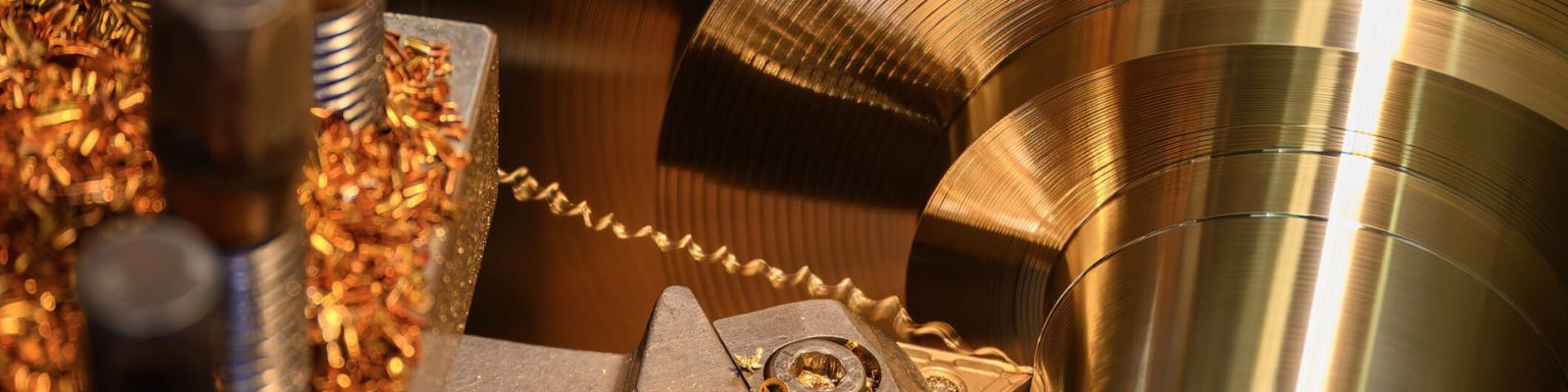
Manufacturers sourcing brass electrical component castings Illinois need a foundry capable of producing consistent non-ferrous components while maintaining control over material, molding, machining, and inspection.
Located in Peoria, Illinois, Cast Technologies provides brass and bronze sand casting supported by an in-house machine shop and dimensional inspection capabilities. The company pours more than 30 brass and bronze alloys, including leaded and non-leaded materials, and can supply components as cast or complete to print.
Founded in 1887, Cast Technologies serves manufacturers across Illinois, the Midwest, and the U.S. with vertically integrated casting and machining support from prototype through production.
Request a quote to discuss your brass casting requirements.
Cast Technologies produces brass and bronze components through established non-ferrous foundry processes at its Peoria facility.
Most copper-based products are manufactured in the company’s green sand foundry, where multiple molding systems allow the team to support different part sizes and production requirements.
Available molding equipment includes:
Cast Technologies pours more than 30 brass and bronze alloys and maintains production controls for both leaded and non-leaded materials.
The appropriate molding process and alloy depend on the component geometry, dimensional requirements, expected production volume, and customer specifications.
Brass castings may be specified for components where manufacturers require the material properties and manufacturing characteristics associated with copper-based alloys.
For electrical-related parts, the correct alloy and production method depend on the engineering requirements defined by the customer.
Cast Technologies works from customer drawings and specifications rather than applying a single material solution to every component. The company can review casting requirements, part geometry, machining needs, and production considerations before manufacturing begins.
This approach is important for components where dimensional consistency, alloy selection, and final machining must all work together.
Cast Technologies does not position every brass alloy as interchangeable. Material selection should be based on the requirements of the finished component and the customer’s engineering specifications.
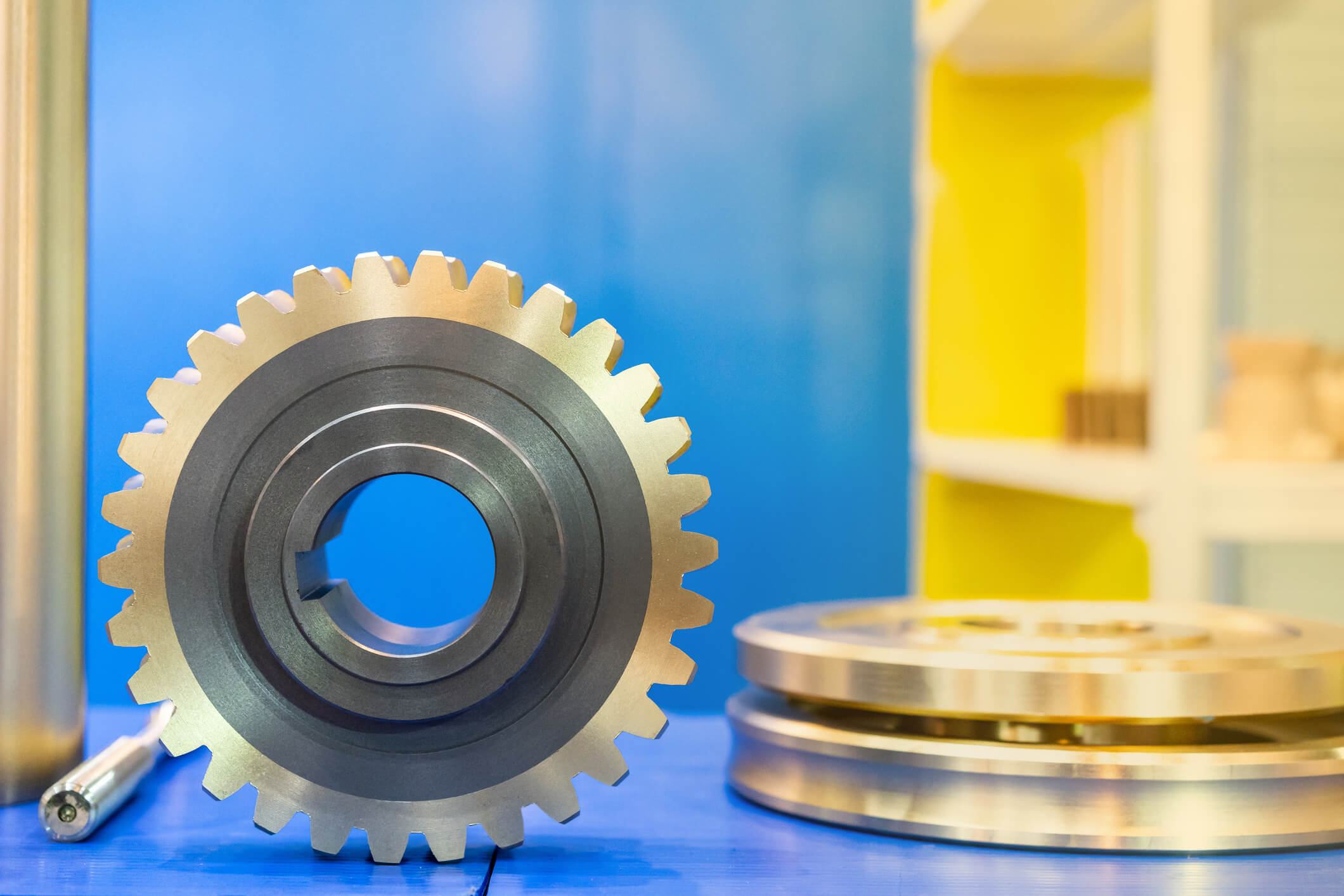
This service may be appropriate for OEMs, manufacturers, and industrial buyers sourcing brass components that require foundry production along with optional secondary machining.
Cast Technologies is structured to support customers that need:
The company serves manufacturers nationwide, including Fortune 500 organizations, and supports projects ranging from early development through ongoing production.
For purchasing teams and engineers, combining foundry and machining capabilities can also reduce the number of outside suppliers involved in producing a completed part.
Producing a finished brass component may require more than the casting operation alone.
When casting and machining are handled by separate suppliers, manufacturers may need to manage transportation, scheduling, communication, dimensional responsibility, and quality concerns across multiple companies.
Cast Technologies reduces that separation by operating both foundry and machining services from the same Peoria facility.
The foundry and machining teams work within the same organization.
This helps prevent situations where a defective casting is machined unnecessarily or where an acceptable casting is compromised during an unrelated outside machining process.
Production issues can be reviewed directly between casting and machining personnel.
This vertical integration allows teams to respond more quickly when dimensional, scheduling, or production requirements change.
Cast Technologies maintains responsibility for the casting and the machining work it performs.
That gives customers one manufacturing source rather than separate suppliers responsible for different stages of the component.
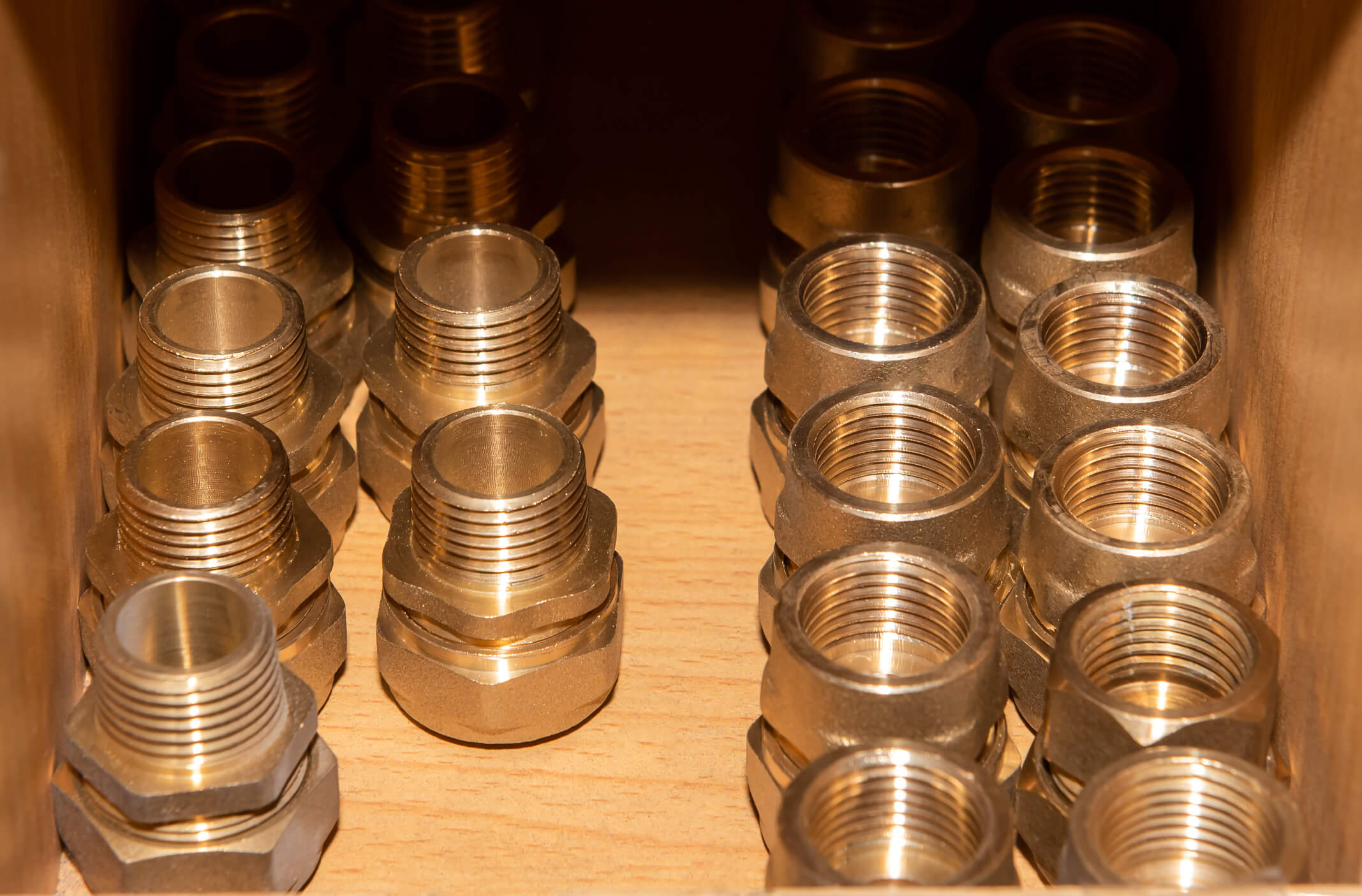
Yes. Cast Technologies operates a 25,000-square-foot machine shop attached to its foundry.
The machine shop includes 23 CNC machines and supports the production of castings that require additional machining before shipment.
Depending on the customer drawing and part requirements, Cast Technologies can supply components:
Keeping machining in-house provides tighter coordination between the raw casting and the finished component.
For brass electrical component castings that require machined surfaces, holes, features, or dimensional finishing, the customer can work with one manufacturing source rather than transferring parts between unrelated facilities.
The exact process varies by component, but a typical project may include several controlled manufacturing stages.
Cast Technologies reviews the customer’s part specifications, material requirements, geometry, production expectations, and machining needs.
The company also provides in-house casting design analysis and modeling using Solidworks.
The foundry determines the appropriate molding equipment and production method based on the part requirements.
Cast Technologies uses multiple green sand molding systems for copper-based casting production.
The selected material is processed according to the customer requirements and foundry production controls.
Cast Technologies maintains physical separation between equipment used for no-lead brass and equipment used for other alloys.
Cast components that require machining can move directly into the attached machine shop.
This avoids unnecessary outside handling and keeps production responsibility within one company.
Cast Technologies performs in-process and final dimensional verification using equipment that includes:
Inspection requirements vary by part, drawing, and application.
Cast Technologies combines long-term foundry experience with modern manufacturing equipment and vertically integrated production.
The company was founded in 1887 and remains a fourth-generation family-owned manufacturer.
Its Peoria operation includes more than 250,000 square feet of shop and office space, along with both non-ferrous foundry operations and an attached machine shop.
Manufacturing capabilities include:
These capabilities allow Cast Technologies to manage more of the production process internally while maintaining clear responsibility for quality and manufacturing coordination.
Yes. Cast Technologies is located in Peoria, Illinois and serves manufacturers throughout Illinois, the Midwest, and the United States.
The company operates from one physical location and does not claim additional Illinois facilities.
Customers throughout the state can work with the Peoria foundry for brass casting, bronze casting, machining, inspection, and related production support.
This centralized manufacturing structure allows the company to maintain control over casting and machining processes within one facility.
Yes. Cast Technologies produces brass and bronze castings from its facility in Peoria, Illinois, and serves manufacturers throughout the state and nationwide.
Cast Technologies pours more than 30 brass and bronze alloys, including leaded and non-leaded materials. The appropriate alloy depends on customer specifications and component requirements.
Yes. Cast Technologies operates an attached 25,000-square-foot machine shop with 23 CNC machines. Components can be supplied as cast or machined complete to print.
Yes. The company supports projects from prototype through production and provides in-house design analysis and modeling using Solidworks.
Cast Technologies uses in-process and final dimensional verification equipment, including two CMMs and a portable measurement arm with a 9-foot range.
Cast Technologies manufactures cast components based on customer drawings and specifications. Suitability for a specific electrical application depends on the required alloy, geometry, tolerances, machining, and engineering requirements provided by the customer.
Manufacturers sourcing brass electrical component castings Illinois can work with Cast Technologies for non-ferrous foundry production, in-house CNC machining, inspection, and complete-to-print manufacturing.
With casting and machining located under one roof in Peoria, Cast Technologies provides one-source responsibility from the raw casting through the completed machined part.
Brass electrical component castings are used in applications where conductivity, durability, and dimensional accuracy are important to reliable equipment performance. The City of Chicago’s building code requirements establish standards for building systems, including electrical installations, providing useful regulatory context for how components are incorporated into construction and infrastructure projects.
Request a quote to discuss your brass casting specifications, production requirements, and machining needs.

Top quality casting and services via our in-house foundry & machine shop
1100 SW Washington St Peoria, IL 61602 USA
© 2023 Cast Technologies. All Rights Reserved.
