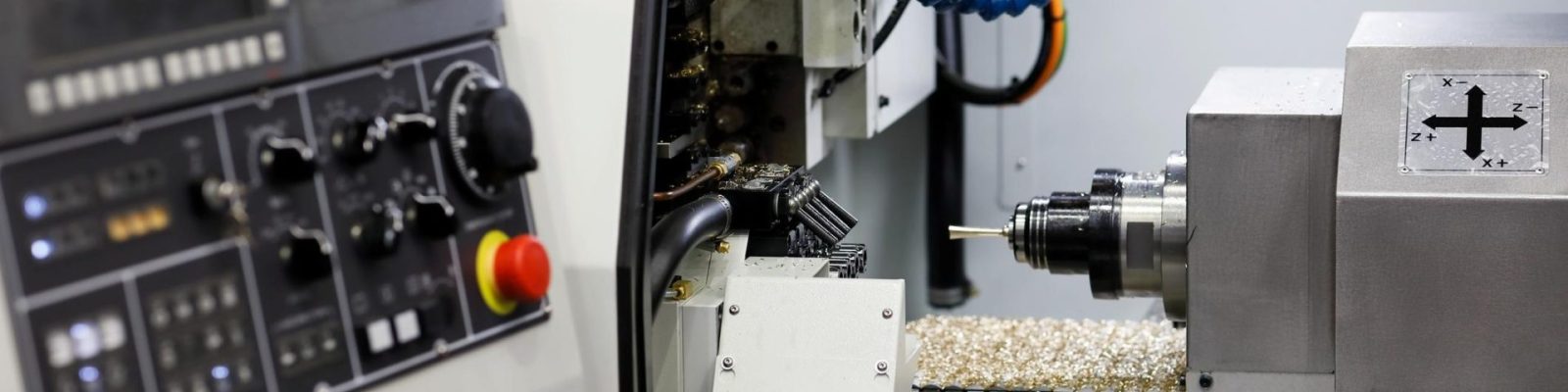
Manufacturers searching for brass CNC milling Illinois capabilities often need more than a machine shop. They need a manufacturing partner that can maintain control from the original casting through machining, inspection, and final production.
Located in Peoria, Illinois, Cast Technologies combines an established non-ferrous foundry with an attached 25,000-square-foot machine shop. Our vertically integrated approach allows brass castings to move directly from foundry production into in-house CNC machining, helping manufacturers maintain tighter production control and one-source accountability.
Founded in 1887, Cast Technologies supports manufacturers across Illinois, the Midwest, and the U.S. with brass and bronze casting, aluminum casting, CNC machining, inspection, and complete-to-print manufacturing.
Request a quote to discuss your brass casting and CNC machining requirements.
Cast Technologies provides in-house CNC machining for cast components produced through our foundry operations. This gives customers the option to receive parts as cast or machined complete to print depending on the requirements of the project.
Our Peoria operation includes a 25,000-square-foot machine shop attached directly to the foundry and equipped with 23 CNC machines.
This integrated structure supports manufacturers that need:
Keeping both operations under one roof also improves communication between foundry and machining personnel. If production requirements change or a dimensional issue needs to be addressed, teams can coordinate directly rather than relying on separate suppliers.
Yes. Cast Technologies operates its own machine shop as part of the same Peoria manufacturing facility.
That means a brass component can be cast, machined, inspected, and prepared as a completed part without sending the casting to an unrelated machining supplier.
This supports what Cast Technologies describes as one-source control: we cast the component, we machine it, and we remain responsible for the manufacturing process.
Integrated casting and machining can be particularly useful for OEMs and manufacturers that want to reduce the number of suppliers involved in producing a finished component.
It may be a strong fit when your project requires:
Cast Technologies works with manufacturers nationwide, including Fortune 500 companies, and is structured to support challenging OEM projects from development through production.
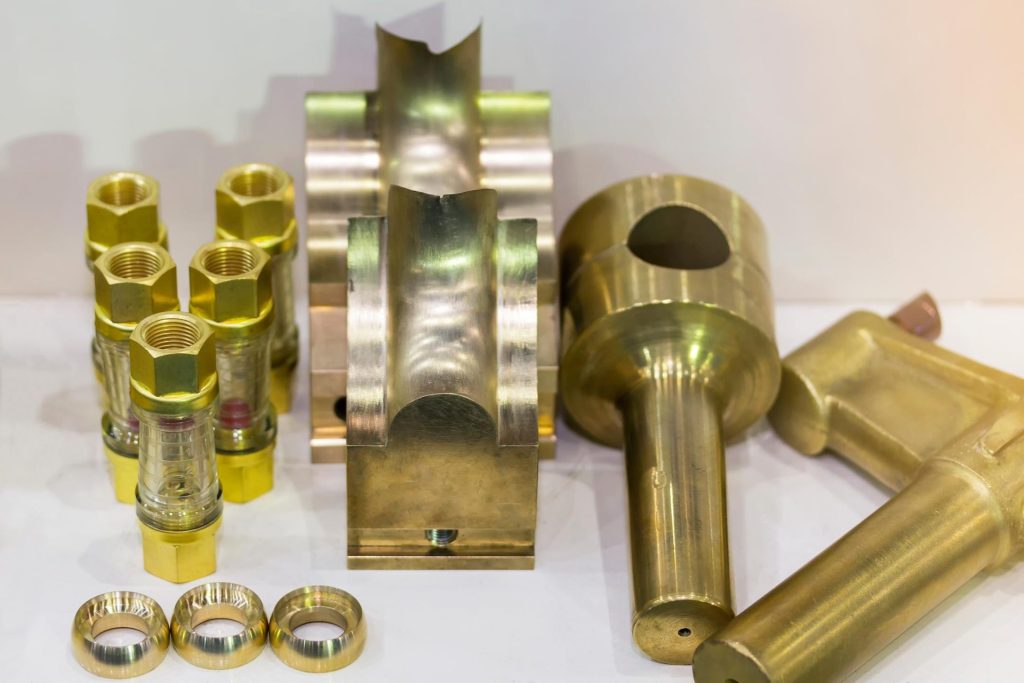
For buyers, engineers, and operations teams, having casting and machining capabilities at one facility can simplify supplier coordination while maintaining clear responsibility for the finished component.
Separating foundry work from machining can introduce additional handling, transportation, communication, and quality-control considerations.
Cast Technologies addresses these issues through vertically integrated production.
Machining a defective casting can waste both production time and machining capacity. Likewise, improper machining can compromise a casting that was produced correctly.
Because Cast Technologies manages both operations internally, foundry and machining teams can coordinate throughout production.
This helps maintain quality control from raw casting through the completed machined part.
Manufacturing requirements can change during a production program.
With the foundry and machine shop operating together, teams can communicate directly and respond to changes without waiting for separate vendors to coordinate with one another.
This provides greater flexibility when production requirements, specifications, or manufacturing conditions need attention.
A vertically integrated supplier reduces uncertainty about which vendor is responsible for a finished component.
Cast Technologies maintains responsibility for both the casting and the machining operations it performs. This creates clearer accountability throughout the manufacturing process.
Cast Technologies pours more than 30 brass and bronze alloys, including leaded materials.
The company was also one of the early foundries to pour non-leaded and low-leaded brass and has invested in equipment and production controls to support these materials.
Most copper-based products are produced through the company’s green sand foundry.
Available molding equipment includes:
Pouring operations use hooded ladles on overhead systems, and Cast Technologies maintains physical separation between equipment used for no-lead brass and equipment used for other alloys.
The appropriate process and alloy depend on the component design, performance requirements, production quantity, and customer specifications.
Working with an integrated foundry and machine shop can reduce the number of separate production steps that need to be coordinated externally.
A typical Cast Technologies project may include the following stages.
The process begins with the component requirements, drawings, expected production needs, material considerations, and other manufacturing specifications.
Cast Technologies also performs in-house casting design analysis and modeling using Solidworks.
The selected brass or bronze alloy is poured using the molding process appropriate for the component and production requirements.
Cast Technologies produces copper-based components using established green sand molding capabilities.
When the project requires additional machining, cast components can move into the attached machine shop.
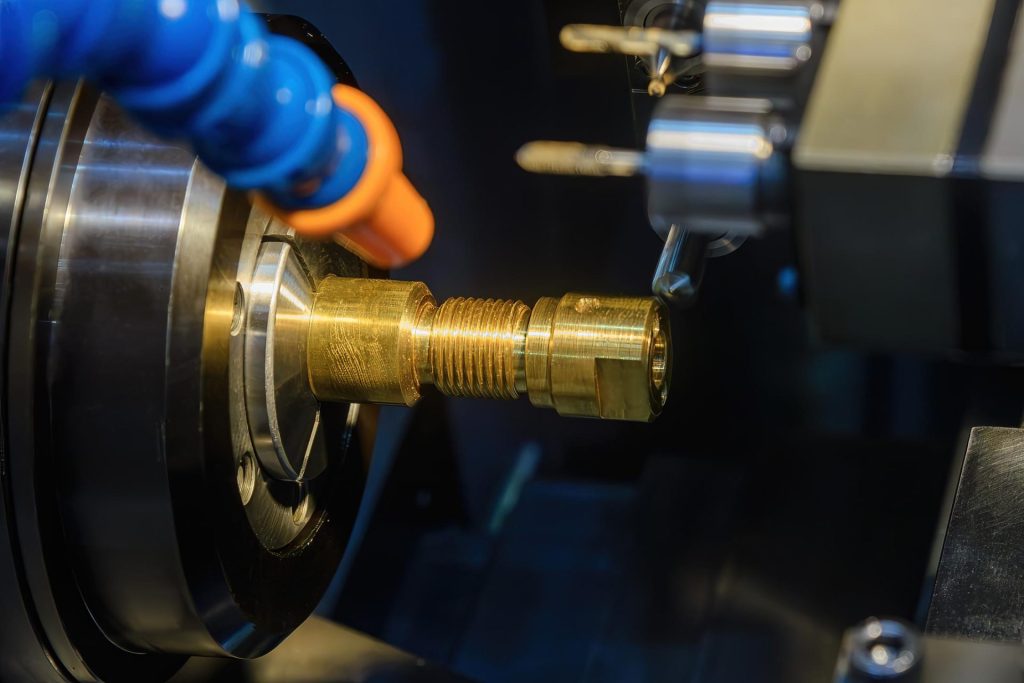
With 23 CNC machines in approximately 25,000 square feet of machining space, Cast Technologies can take a raw casting through additional manufacturing operations toward a complete-to-print part.
Quality verification can continue throughout the manufacturing process.
Inspection and testing equipment includes:
This integrated inspection capability supports Cast Technologies’ broader focus on defect prevention, reduction of variation, and consistent production quality.
Yes. Cast Technologies is located in Peoria, Illinois and serves manufacturers across Illinois, the Midwest, and the U.S.
The company operates more than 250,000 square feet of shop and office space from its Peoria location, including its non-ferrous foundry and attached machine shop.
Cast Technologies does not operate multiple Illinois foundry locations. Instead, casting and machining operations are concentrated at the Peoria facility, providing centralized production control for customers throughout the state and nationwide.
For Illinois manufacturers, this provides access to an experienced in-state foundry with integrated casting and CNC machining capabilities.
Cast Technologies has been involved in American manufacturing since 1887 and today operates as a fourth-generation family-owned business.
That history is supported by modern manufacturing resources, including:
For manufacturers that need both casting and CNC machining, this combination provides a single production source backed by generations of
foundry experience.
Speak with our team about your brass casting and CNC machining project and request a quote based on your part requirements.
Yes. Cast Technologies operates its foundry and machine shop from a single location in Peoria, Illinois. The company serves customers across Illinois, the Midwest, and nationwide.
Yes. Cast Technologies has a 25,000-square-foot machine shop attached to the foundry with 23 CNC machines. Castings can be supplied as cast or manufactured complete to print depending on project requirements.
Cast Technologies pours more than 30 brass and bronze alloys, including leaded, low-leaded, and non-leaded options. Material selection depends on the customer’s component and manufacturing requirements.
Yes. Inspection capabilities include two CMMs, a portable measurement arm with a 9-foot range, and in-process and final dimensional verification.
Yes. Cast Technologies supports projects from prototype through production and provides in-house design analysis and modeling using Solidworks.
Using an integrated foundry and machine shop provides better coordination, clearer manufacturing responsibility, faster communication between production teams, and greater control from the original casting through the completed machined component.
Manufacturers evaluating brass CNC milling Illinois suppliers often need dependable control over more than one manufacturing operation. Cast Technologies combines brass and bronze casting with in-house CNC machining, dimensional inspection, and prototype-to-production support from its Peoria facility.
With manufacturing roots dating to 1887 and both foundry and machining operations under one roof, Cast Technologies provides the experience and production control required for demanding OEM projects.
Request a quote to discuss your brass casting and CNC machining requirements with the Cast Technologies team.

Top quality casting and services via our in-house foundry & machine shop
1100 SW Washington St Peoria, IL 61602 USA
© 2023 Cast Technologies. All Rights Reserved.
