

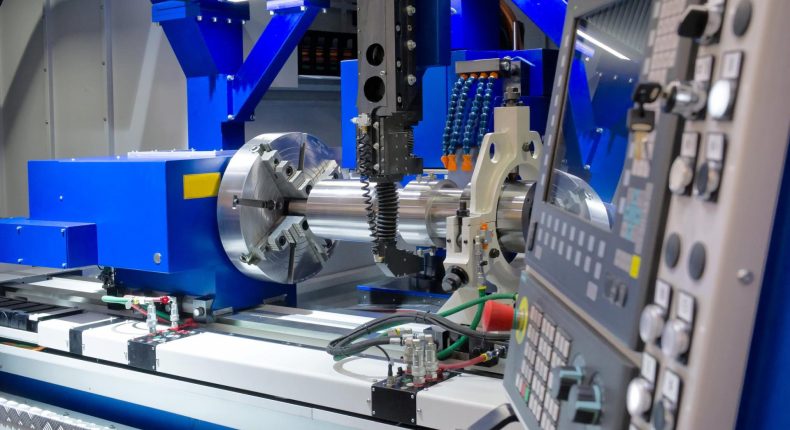
In modern manufacturing, efficiency is a key driver of profitability, quality, and delivery performance. CNC milling operations that are optimized correctly can reduce cycle times, lower tooling costs, improve surface finishes, and increase overall equipment utilization. Conversely, inefficient milling processes lead to wasted time, excessive tool wear, and inconsistent part quality.
Optimizing CNC milling is not about a single adjustment. It involves a combination of smart programming, proper tooling, machine setup, material understanding, and continuous process improvement. When these elements work together, manufacturers can achieve significant gains in productivity and consistency.
Efficient CNC milling begins before a machine ever starts cutting. Part design and process planning play a critical role in minimizing unnecessary machining time.
Key planning considerations include:
Early collaboration between engineering and machining teams helps ensure parts are designed with manufacturability and efficiency in mind.
The choice of cutting tools has a direct impact on milling performance. Using the right tool for the material, geometry, and cutting conditions improves cutting efficiency and tool life.
High-quality tooling combined with correct application reduces vibration, improves surface finish, and allows for higher feed rates.
Incorrect speeds and feeds are one of the most common causes of inefficient CNC milling. Conservative settings increase cycle time, while aggressive settings can shorten tool life and compromise part quality.
Optimized cutting parameters should:
Regularly reviewing and refining cutting parameters helps maintain consistent results while maximizing productivity.
Every tool change and setup adjustment adds non-cutting time to the machining process. Reducing these interruptions improves overall machine efficiency.
Strategies to reduce downtime include:
Streamlining setups allows machines to spend more time cutting and less time idle.
Modern CAM software plays a critical role in CNC milling efficiency. Advanced toolpath strategies reduce air cutting, improve chip evacuation, and maintain consistent tool engagement.
Effective CAM optimization techniques include:
Well-optimized toolpaths reduce cycle times while extending tool life and improving surface finishes.
Machine condition directly affects milling efficiency. Worn components, poor alignment, or inadequate maintenance can lead to vibration, inaccuracies, and unplanned downtime.
Key maintenance practices include:
A well-maintained CNC machine operates more efficiently and produces consistent, high-quality parts.
Stable and repeatable workholding is essential for efficient CNC milling. Poor fixturing leads to vibration, part movement, and the need for slower cutting speeds.
Optimized fixturing should:
Investing in effective fixturing solutions improves accuracy while enabling more aggressive cutting strategies.
Tool wear is unavoidable, but unmanaged wear leads to reduced efficiency and inconsistent quality. Monitoring tools and machine performance helps identify issues before they impact production.
Best practices include:
Proactive monitoring reduces scrap, prevents unexpected downtime, and maintains stable machining processes.
The most efficient CNC milling operations rely on data-driven decision-making. Collecting and analyzing performance data helps identify bottlenecks and improvement opportunities.
Useful metrics include:
Continuous improvement initiatives allow manufacturers to refine processes over time and stay competitive.
For manufacturers machining cast components, optimized CNC milling delivers even greater value. Efficient machining ensures flat surfaces, precise features, and consistent dimensions while minimizing excess material removal.
Foundries that offer in-house CNC machining benefit from tighter process control, reduced lead times, and improved coordination between casting and machining operations.
Optimizing CNC milling processes is an ongoing effort that combines smart planning, advanced tooling, optimized programming, and disciplined execution. Small improvements across multiple areas can lead to substantial gains in efficiency, quality, and cost control.
Manufacturers that prioritize CNC milling optimization are better positioned to meet demanding production schedules, reduce waste, and deliver consistent results across every machining program. As technology continues to evolve, continuous refinement of CNC milling processes remains essential for long-term manufacturing success.

Top quality casting and services via our in-house foundry & machine shop