

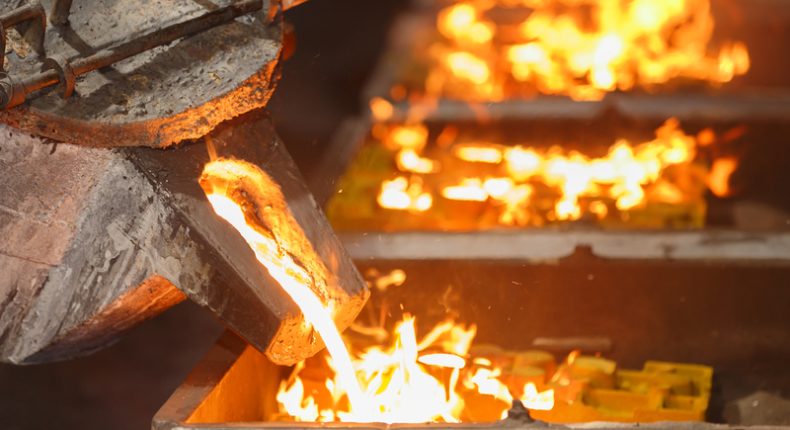
Metal casting is one of the most efficient and versatile manufacturing processes for producing complex components. However, like any industrial process, casting presents unique challenges that can affect part quality, performance, and production efficiency if not properly managed.
Issues such as defects, dimensional variation, and material inconsistencies can increase scrap rates, extend lead times, and raise production costs. Successfully overcoming these challenges requires a combination of experience, process control, material knowledge, and continuous improvement.
Understanding the most common casting challenges and how manufacturers address them provides valuable insight into what separates reliable foundry partners from the rest.
Casting defects can occur at various stages of the process, from mold preparation to solidification. Identifying root causes is critical to preventing recurring issues.
To minimize defects, foundries focus on proper gating and riser design, controlled pouring techniques, and consistent melt quality. Advanced simulation and process validation also help identify potential defect areas before production begins.
Metal shrinkage occurs as molten metal cools and solidifies. If not properly managed, shrinkage can lead to internal voids, distortion, or dimensional inaccuracies.
Effective shrinkage control involves:
By carefully managing how and where metal solidifies, manufacturers reduce internal defects and improve structural integrity.
Dimensional variation is a common challenge in metal casting, particularly for complex geometries or tight-tolerance components. Variability can result from mold movement, inconsistent material properties, or improper tooling.
To maintain dimensional accuracy, foundries rely on:
In many applications, CNC machining is used after casting to achieve exact final dimensions, ensuring parts meet assembly and performance requirements.
Surface finish quality can affect both the appearance and functionality of cast components. Rough surfaces may require additional machining or finishing, increasing cost and lead time.
Surface finish challenges are influenced by:
Optimizing mold preparation and maintaining consistent pouring practices help improve surface finishes and reduce secondary processing requirements.
Material consistency is critical for producing reliable cast components. Variations in alloy composition can lead to inconsistent mechanical properties, reduced strength, or premature failure.
Foundries address material control by:
Consistent material control ensures castings meet performance specifications and industry standards.
Molds and cores must maintain their shape and strength throughout the casting process. Weak or damaged molds can result in dimensional defects, flash, or incomplete castings.
To ensure mold integrity, manufacturers focus on:
Strong, stable molds are essential for repeatable casting quality.
High scrap and rework rates can significantly impact production efficiency and profitability. Many casting challenges stem from process variation or insufficient monitoring.
Reducing scrap involves:
Data-driven process improvements help foundries identify inefficiencies and maintain consistent results.
Machining plays a key role in overcoming certain casting limitations. Features such as flat surfaces, precise holes, and tight tolerances are often best achieved through CNC machining after casting.
Foundries with in-house machining capabilities offer advantages such as:
This integrated approach ensures cast components meet exact functional and assembly requirements.
Successfully overcoming casting challenges requires more than equipment alone. Experience, process discipline, and engineering expertise are critical to producing consistent, high-quality results.
Foundries that invest in:
are better positioned to anticipate challenges, prevent defects, and deliver dependable cast components.
Metal casting challenges are a natural part of the manufacturing process, but they can be effectively managed through proper planning, process control, and expertise. By addressing issues such as defects, shrinkage, dimensional accuracy, and material consistency, manufacturers can achieve reliable, high-quality results.
Working with an experienced foundry partner ensures potential challenges are identified early and resolved efficiently, resulting in improved performance, reduced costs, and consistent production outcomes.

Top quality casting and services via our in-house foundry & machine shop