

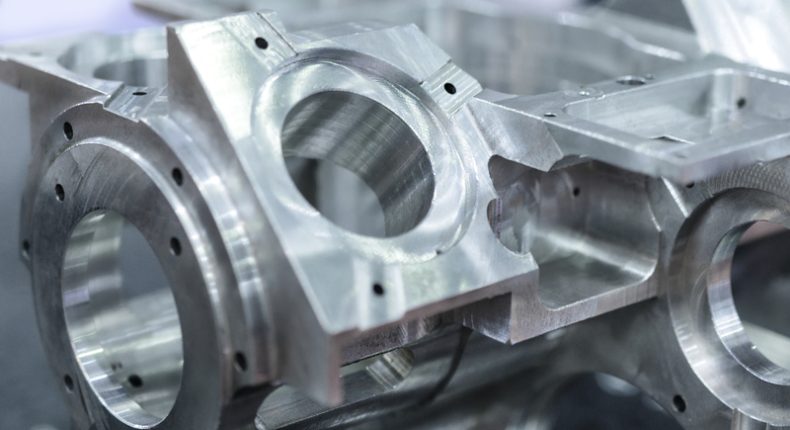
CNC machining has already transformed modern manufacturing by delivering precision, consistency, and efficiency that traditional machining methods cannot match. However, the industry continues to evolve rapidly as new technologies and digital capabilities reshape how machined components are designed, produced, and inspected.
As manufacturers face increasing pressure to improve quality, reduce lead times, and manage labor shortages, the future of CNC machining is being driven by automation, data integration, and advanced control systems. These emerging trends are redefining what is possible in precision manufacturing and setting new standards for performance and reliability.
One of the most significant trends shaping the future of CNC machining is automation. Automated systems reduce reliance on manual intervention while increasing uptime and consistency.
Automation allows CNC machines to operate continuously, even during off-hours, maximizing productivity and reducing per-part costs. For manufacturers with high-volume or repeat production needs, automation is becoming a competitive necessity rather than a luxury.
Artificial intelligence (AI) and machine learning are increasingly being integrated into CNC machining environments. These technologies enable machines to analyze performance data, adapt cutting strategies, and improve efficiency over time.
AI-driven machining systems can:
By using data to make real-time adjustments, AI-powered CNC machines enhance consistency while reducing scrap and rework.
The future of CNC machining is closely tied to smart manufacturing and Industrial Internet of Things (IIoT) technologies. Connected machines collect and share data across production systems, providing manufacturers with greater visibility and control.
This level of connectivity enables manufacturers to make informed decisions, streamline workflows, and maintain consistent quality across multiple production lines.
Multi-axis CNC machining continues to advance, allowing manufacturers to produce increasingly complex parts in fewer setups. Five-axis and multi-axis machines reduce the need for repositioning, improving accuracy and shortening production cycles.
Emerging advancements include:
These capabilities are especially valuable for industries requiring intricate geometries, tight tolerances, and reduced part weight.
Another emerging trend is the integration of additive manufacturing with CNC machining. Hybrid machines combine 3D printing and machining in a single system, allowing parts to be built up and finished without transferring between processes.
This hybrid approach offers several advantages:
While still developing, hybrid manufacturing technologies are expected to play a growing role in specialized and high-value applications.
Digital twin technology is becoming more common in CNC machining environments. A digital twin is a virtual replica of a physical machine or process that allows manufacturers to simulate production before cutting any material.
Digital simulation helps manufacturers:
As simulation tools become more advanced, digital twins will further improve efficiency and confidence in machining operations.
Sustainability is an increasing priority in manufacturing, and CNC machining is no exception. New machine designs and processes focus on reducing energy consumption, coolant usage, and material waste.
Emerging sustainability trends include:
These advancements help manufacturers reduce environmental impact while lowering operational costs.
As CNC technology advances, the role of the machinist continues to evolve. Future CNC operations place greater emphasis on programming, process optimization, and quality control rather than manual operation.
Manufacturers are increasingly investing in:
This shift allows skilled workers to manage more machines efficiently while maintaining high-quality standards.
The future of CNC machining is defined by smarter machines, connected systems, and greater automation. Manufacturers that adopt these technologies gain improved efficiency, reduced downtime, and enhanced product quality.
For foundries and machining partners that combine casting and CNC machining, these advancements provide even greater value. Integrated operations ensure precise final dimensions, improved surface finishes, and consistent quality from raw material to finished component.
At Cast Technologies, continued investment in CNC machining technology supports our ability to deliver precision-machined aluminum and iron cast components that meet evolving industry demands.
CNC machining is entering a new era driven by automation, artificial intelligence, and digital connectivity. These emerging technologies are redefining precision manufacturing and setting new benchmarks for efficiency and quality.
Manufacturers that embrace these trends will be better positioned to meet future production challenges while maintaining consistent performance and reliability. As CNC machining continues to evolve, it remains a critical technology for modern manufacturing success.

Top quality casting and services via our in-house foundry & machine shop